Food first
Supplements are the smallest lever in this whole program. Food, sleep, training and the people you do it with move the needle. But a few pills and powders earn their place: they're safe, well studied, and they fill gaps most of us really have. Here are the five I'd tell anyone to take, the four extras I add for myself, and one you're already taking without calling it a supplement.
A supplement supplements something. If the base is drive-throughs and five hours of sleep, nothing on this page will fix it. If the base is solid, the right few make it easier to hit your numbers and cover what a modern diet leaves out.
Our ancestors took none of these. They also ate a far wider range of plants than we do, spent their days outside, and never once worried about a protein target. Most of this list is a patch for that difference: the sun we don't get, the fiber and fish we don't eat, the variety we've lost.
You take prescription medication (blood thinners, blood pressure or thyroid medication especially), you're pregnant or nursing, or you have kidney or liver disease. Bring this list to your next appointment. It takes two minutes.
The five essentials
If you take nothing else, take these. Each one is well studied, safe for healthy adults at the doses below, and fills a gap most people actually have.
-
 01Strength · muscle · brain
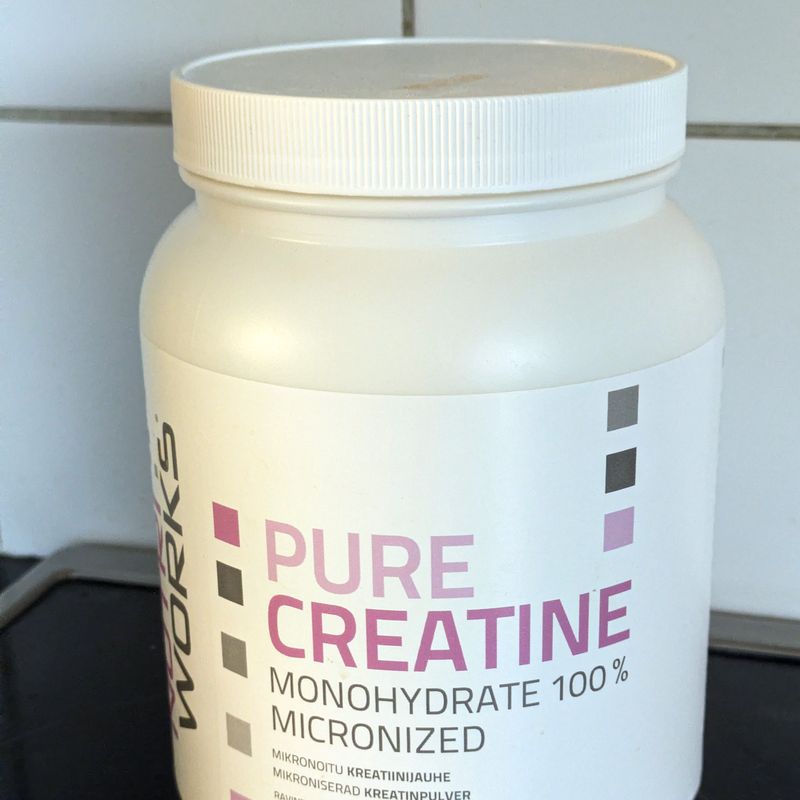
Creatine monohydrate
The most studied sports supplement there is. Creatine tops up the fuel your muscles burn in short, hard efforts, so you get an extra rep or two on every set. Over twelve weeks those reps add up to more strength and more muscle. Newer research points to benefits for the brain and for aging muscle too.
A heads-up for check-in day: creatine pulls water into muscle, so the scale can jump a pound or two in the first couple of weeks. That's water inside the muscle, not fat.
Powder or gummies both work. Read the label for grams of creatine per serving.
- How much
- 3 to 5 g a day, every day. No loading phase needed.
- When
- Any time. Every day matters more than timing.
See it on AmazonAffiliate link · sudrolove creatine monohydrate gummies -
 02Protein · convenience
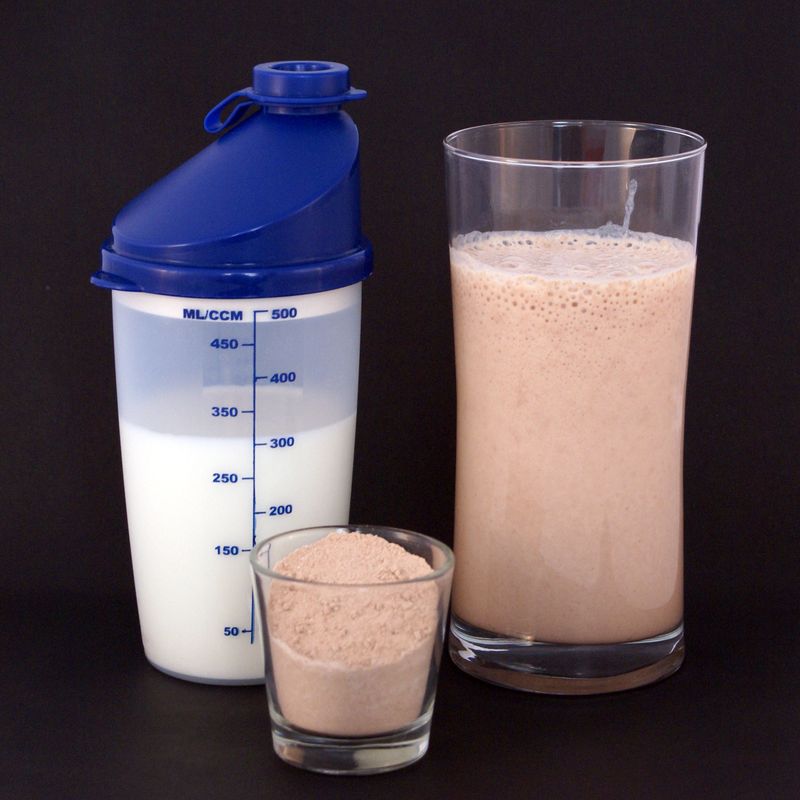
Protein powder
Not magic. Just protein you can drink in thirty seconds. The program runs on a high protein target, and most people come up 30 to 50 grams short by the end of the day. One shake closes the gap. Whey is a complete protein, quick to digest and rich in leucine, the amino acid that switches on muscle building. If dairy doesn't sit well with you, a pea and rice blend does the same job.
- How much
- One scoop, about 25 g of protein, on the days you're short.
- When
- After training, or as a snack. It's food, not medicine.
See it on AmazonAffiliate link · Optimum Nutrition Gold Standard 100% Whey -
 03Gut · fullness · cholesterol
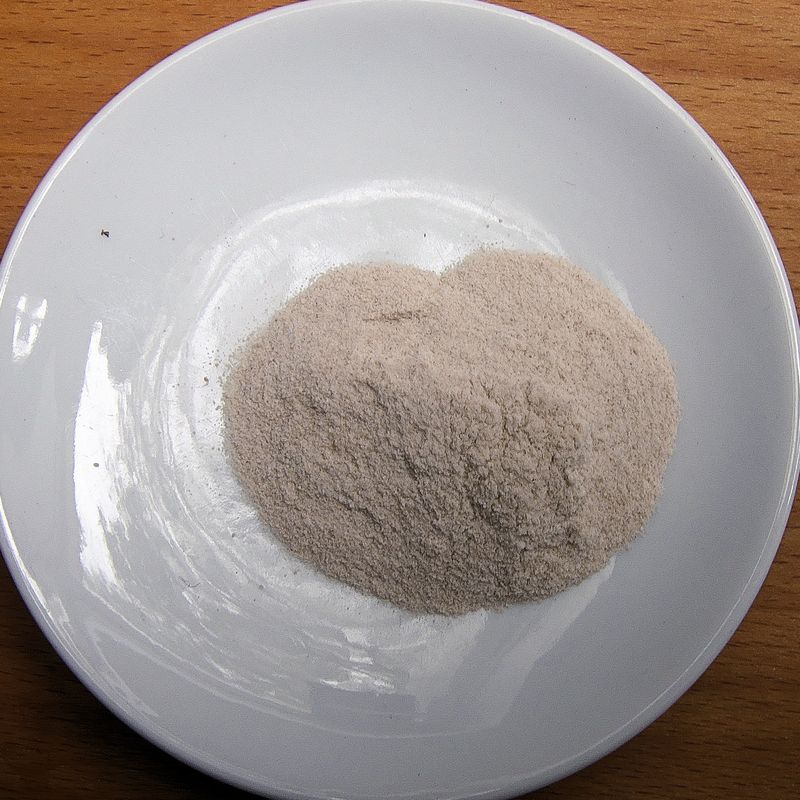
Fiber: psyllium husk
Most adults eat about half the fiber they should. Psyllium is the husk of a plantain seed, and it turns to gel in water. It keeps you regular, keeps you full longer on a calorie deficit, and lowers LDL cholesterol; it's one of the few supplements the FDA allows to carry a heart health claim. High-protein diets need it more than most.
Take it at least 2 hours away from medication and your other supplements. It can slow how well they absorb.
- How much
- Start with 1 teaspoon a day and build up over two weeks.
- When
- Stirred into a big glass of water. Drink it before it sets.
See it on AmazonAffiliate link · NOW Organic Psyllium Husk Powder -
 04Heart · brain · inflammation
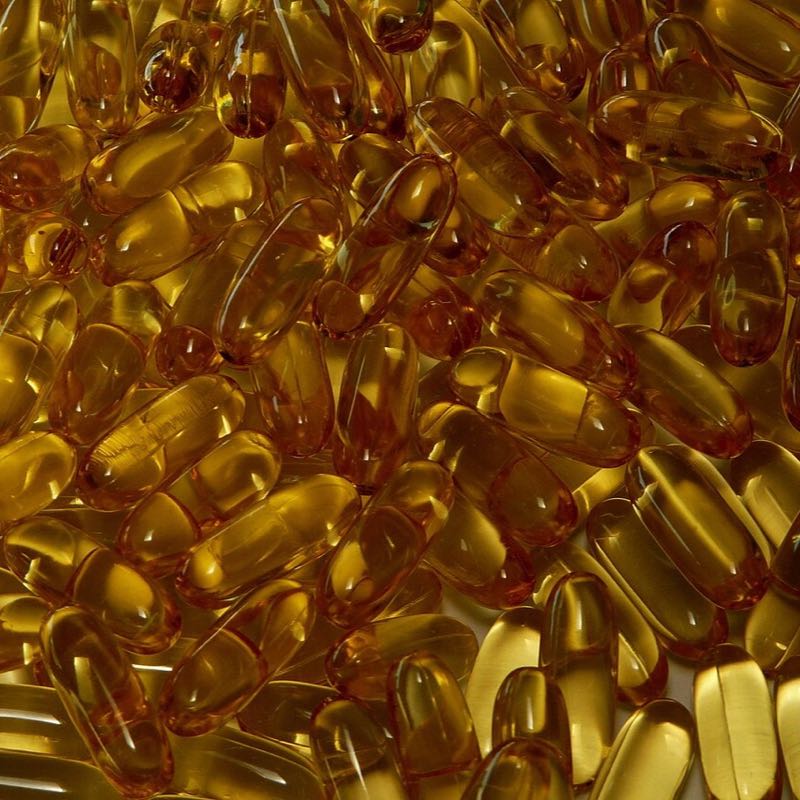
Omega-3 fish oil
EPA and DHA are the long-chain omega-3 fats found in oily fish. DHA is built into your brain and the retinas of your eyes, and both help keep inflammation in check. Our ancestors got them from fish, shellfish and wild game, alongside far less of the omega-6 fats that fill seed oils and processed food. Most of us now eat fatty fish rarely, if at all, and that balance has flipped.
The best-proven effect is on blood fats: omega-3s reliably lower triglycerides. If you already eat salmon, sardines or mackerel two or three times a week, you may not need this one.
Read the label for EPA plus DHA, not the bigger "fish oil" number. On blood thinners? Ask your doctor first.
- How much
- About 1 to 2 g of EPA plus DHA a day. The one we link has about 2 g in a three-softgel serving.
- When
- With a meal. It absorbs better with food, and it heads off fishy burps.
See it on AmazonAffiliate link · Nutricost Omega 3 Fish Oil -
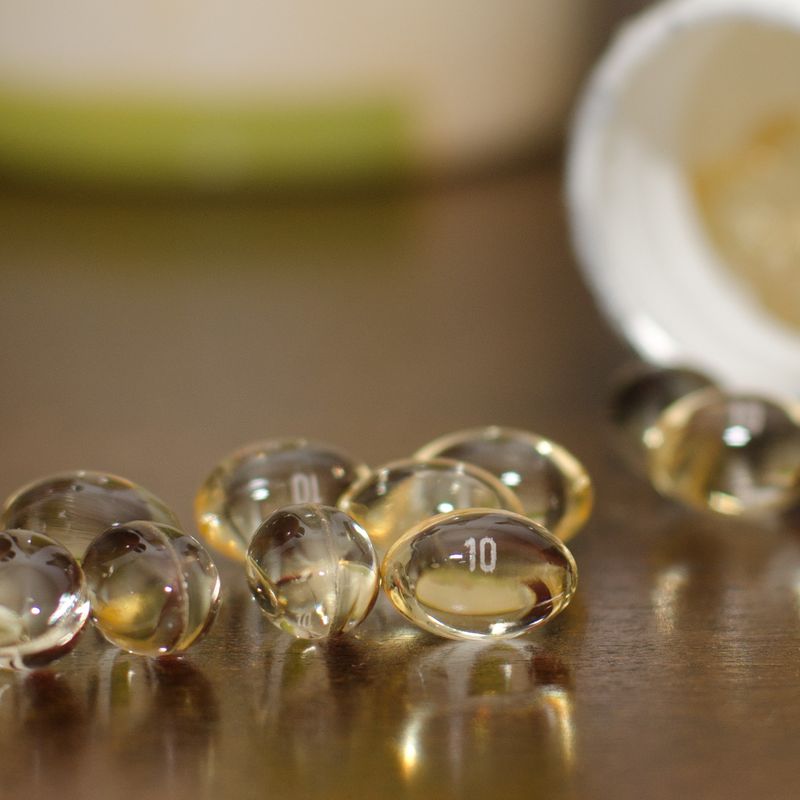 05Bones · muscle · immune system
Vitamin D3
Your skin makes vitamin D from sunlight. That worked for a species that lived outdoors. Most of us now live under a roof, and across the northern half of the US and all of Canada the winter sun sits too low to make much at all from about November to February. Low vitamin D is one of the most common deficiencies there is, and it matters for bones, muscle and immune function.
Taking the multivitamin below? Count its D too: the one we link has 2,000 IU. Best move: ask for a vitamin D blood test at your next physical, and you're not guessing.
- How much
- 1,000 to 2,000 IU a day. No more than 4,000 IU in total unless your doctor says so.
- When
- With a meal that has some fat in it. D is fat-soluble.
See it on AmazonAffiliate link · Nature Made D3, 2,000 IU softgels
The extras I add
These four are optional. Either the evidence for them is thinner than for the five above, or they only matter in certain situations, and I'll tell you where each one stands. The downside is small, and I take them myself.
-
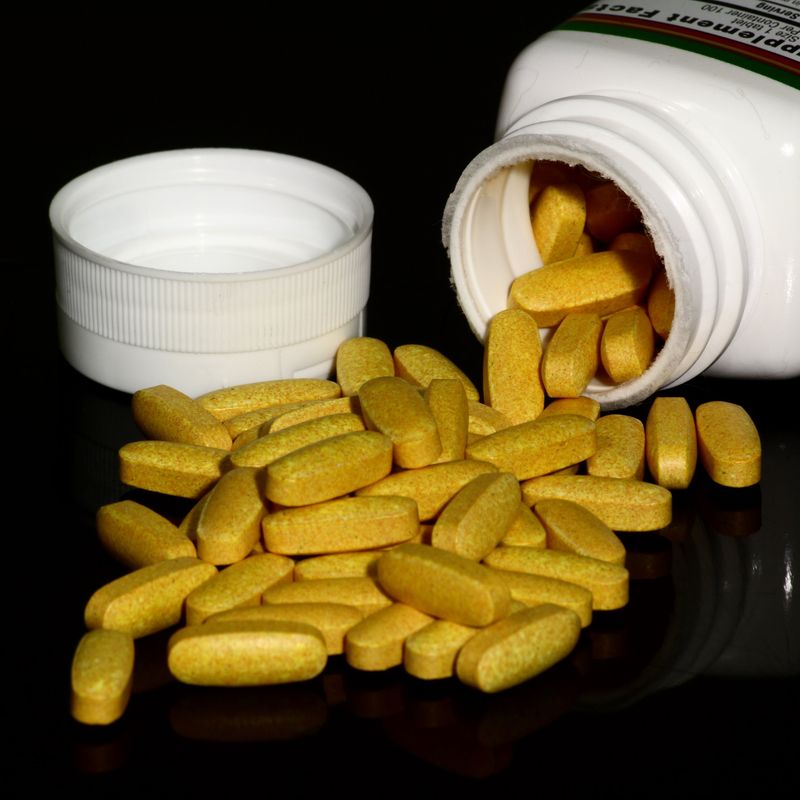 06Insurance · if your diet has gaps
A multivitamin
A multivitamin won't make a good diet better. It covers the days your diet isn't good, and on a calorie deficit there are more of those: fewer calories means fewer chances to get every vitamin and mineral you need. Think of it as insurance, not a foundation.
- How much · when
- As labeled, usually one or two a day, with breakfast. Some upset an empty stomach.
See it on AmazonAffiliate link · Thorne Basic Nutrients 2/Day -
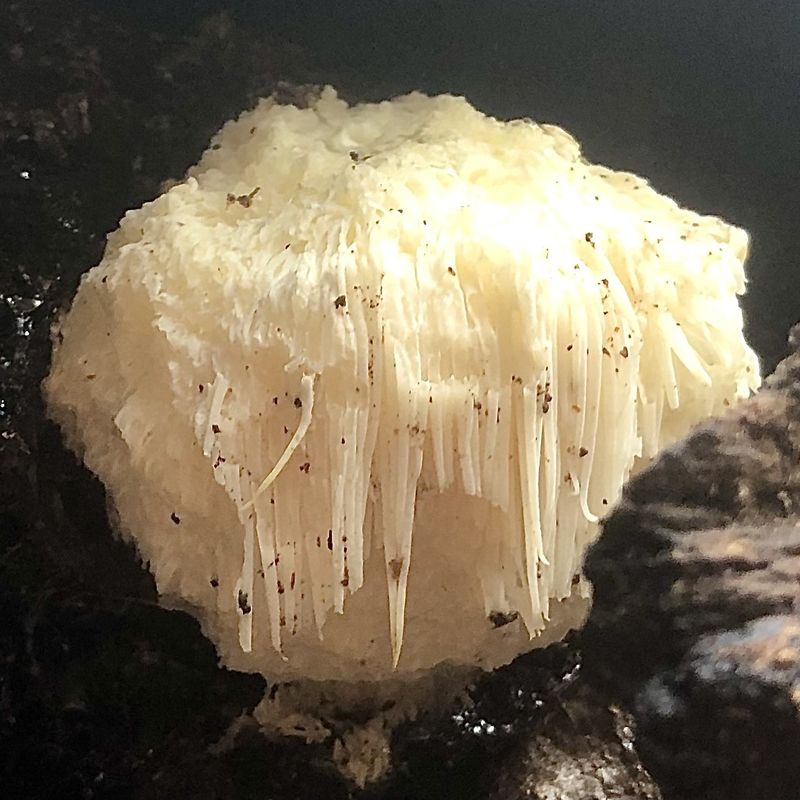 07Brain · nerves
Lion's mane
Hericium erinaceus, a shaggy white fungus that grows on hardwoods and a fine eating mushroom in its own right. Compounds in it switch on nerve growth factor in lab and animal studies, and a handful of small human trials found modest gains in memory and focus. Early evidence, but promising.
- How much · when
- As labeled, usually 2 capsules, in the morning.
See it on AmazonAffiliate link · Real Mushrooms Lion's Mane -
 08Immune support
A mushroom blend
Turkey tail, reishi, chaga, shiitake and maitake in one capsule. Their beta-glucans are recognized by your immune cells, which is why they get studied for immune support. The strongest evidence is for turkey tail, whose extract has been used alongside cancer treatment in Japan for decades. For everyday immune support the evidence is suggestive, not settled.
On blood thinners or immune-suppressing drugs? Ask your doctor first.
- How much · when
- As labeled, usually 2 capsules, in the morning.
See it on AmazonAffiliate link · Real Mushrooms 5 Defenders -
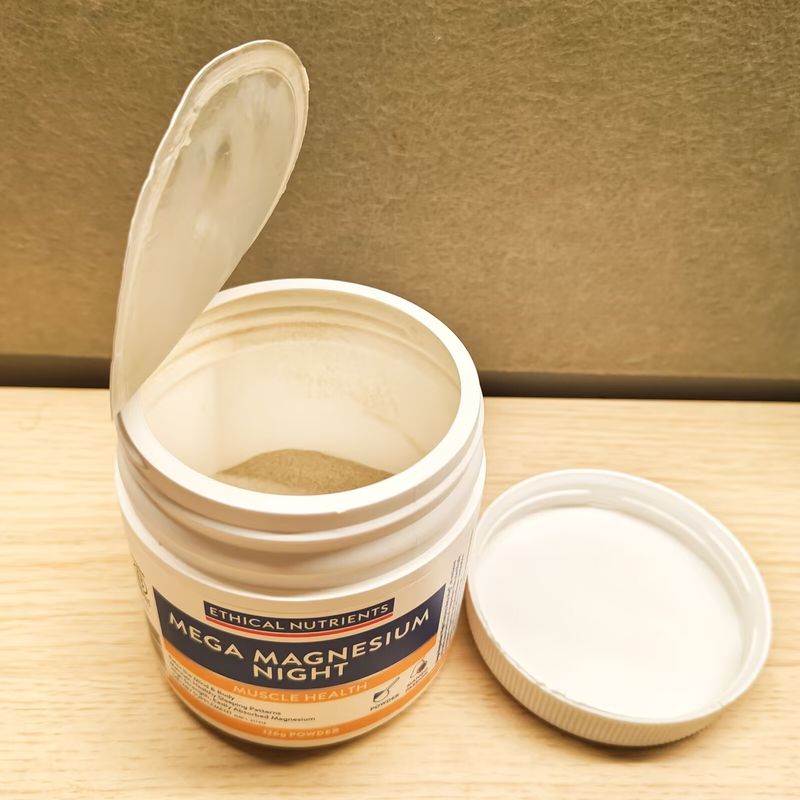 09Sleep · if you need it
Magnesium glycinate
Magnesium runs hundreds of the body's chemical reactions, and diets light on greens, nuts and seeds come up short. The glycinate form is easy on the gut, and glycine itself may help you settle. If you sleep fine, skip it. If you lie awake, it's the first thing I'd try, right after getting caffeine out of your afternoon.
Too much shows up as loose stools. Kidney problems? Ask first.
- How much · when
- 200 to 350 mg of magnesium, 30 to 60 minutes before bed.
See it on AmazonAffiliate link · Doctor's Best Magnesium Glycinate
Caffeine is a drug
I put caffeine on this list on purpose. Almost nobody thinks of their morning coffee as a supplement. It is one: a psychoactive stimulant, and the most widely used drug on Earth.
-
Stimulant
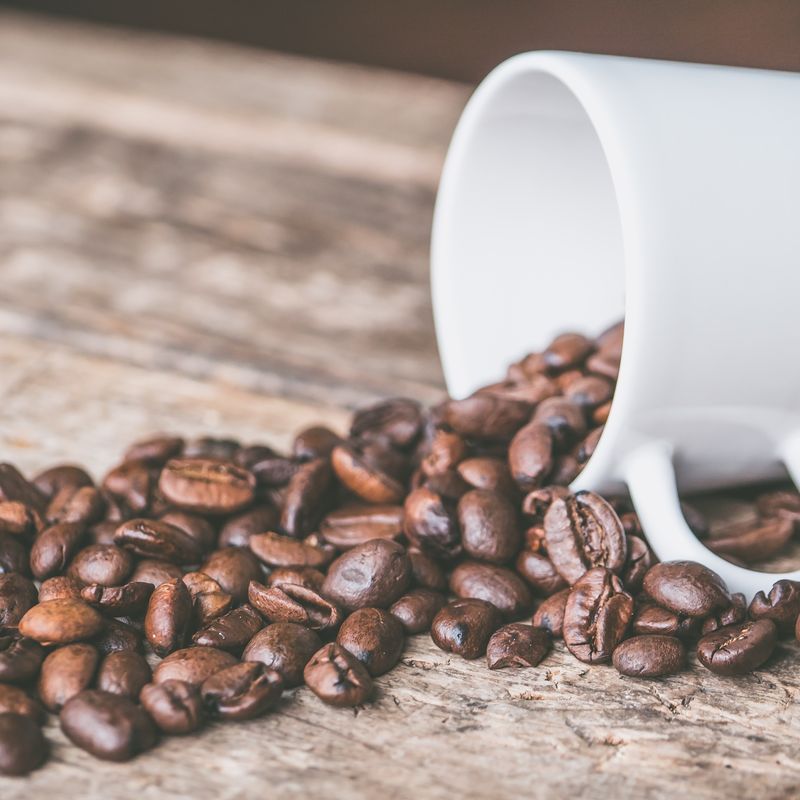 10Use it on purpose
Caffeine
Caffeine doesn't give you energy. It blocks adenosine, the molecule that builds up all day and makes you sleepy, so you stop feeling tired without being any less tired. It works: it sharpens focus and reliably improves training performance. It's also habit-forming. Skip your usual cup and the headache that follows is withdrawal.
Its half-life is about five hours. Half of a 3 p.m. coffee is still in you at 8, and a quarter of it at 1 a.m. That's the first thing I ask about when someone tells me they sleep badly.
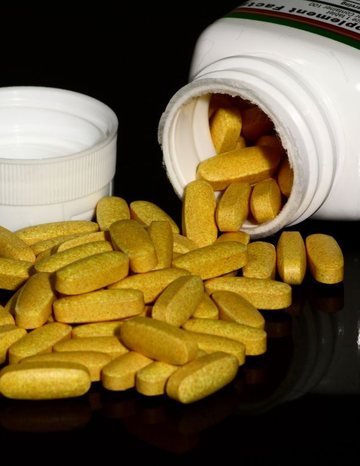
One of these tablets is 200 mg, about two cups of coffee. Coffee or tea work just as well; the pill just makes the dose obvious. Check your pre-workout too: many carry 200 to 400 mg a scoop.
- How much
- Up to 400 mg a day for most healthy adults; 200 mg if pregnant. A cup of brewed coffee is about 95 mg.
- When
- Before noon. Nothing in the 8 to 10 hours before bed.
See it on AmazonAffiliate link · ProLab Caffeine, 200 mg tablets
A day of it
An easy way to fit the whole list into a day. Most of it goes down with breakfast.
- Creatine
- Omega-3
- Vitamin D
- Multivitamin
- Lion's mane
- Mushroom blend
- Coffee
- Last caffeine of the day
- Psyllium husk
- Protein shake
- Magnesium, if you need it
Buying them well
Supplements aren't approved by the FDA before they go on sale. The label is the company's word, and independent testing keeps finding products that don't contain what they say. A few rules keep you on the right side of that.
- Look for a third-party seal. NSF Certified for Sport, USP Verified or Informed Choice mean an outside lab checked what's in the bottle.
- Single ingredients over blends. "Proprietary blend" usually means you can't see how much of anything you're getting.
- Read the dose per serving, not the big number on the front of the tub.
- For mushrooms, buy fruiting body extracts with the beta-glucan content on the label. Some products are mostly the grain the fungus was grown on.
- Add one at a time. If something upsets your stomach, you'll know which one.
- Tell your doctor what you take, every time they ask about medications.
Supplements fill the gaps. The approved foods list and the sample meal plan are the food that does the job, and the Macro Counting Guide shows you how much of it you need.
PhotosWikimedia Commons, cropped. Creatine: Apinanaivot, CC0. Protein shake: Sandstein, CC BY 3.0. Psyllium: Rasbak, CC BY-SA 3.0. Tablets: Ragesoss, CC BY-SA 3.0. Fish oil: Oddman47, CC0. Softgels: Globallystoners, CC0. Lion's mane: Ken Kneidel, CC0. Turkey tail: George Chernilevsky, CC BY 4.0. Reishi: Tatiana, CC BY 4.0. Magnesium: Vack Xu, CC0. Coffee: Jessica Lewis, CC0.



.jpg)


.jpg)