Watch it
Back in 2018, years before StoneAgeFit existed, Jordan propped a camera up in his kitchen and filmed himself cooking a week of food from start to finish: chicken two ways, steak, lemon pepper salmon, rice and quinoa, every oven setting and every cook time, with his cat Herb supervising. Then he kept going, recipe after recipe, until he had a whole playlist.
That's the kind of coach he is, and it's a big part of why I wanted him on this program. Plenty of fitness people tell you to "meal prep." Jordan shows you, in real time, in an ordinary kitchen, dishes and all. I've written his method out below so you can start this Sunday, but watch him do it first.
When it ends, the next video in the playlist starts: dozens of his macro-friendly recipes and preps, from protein pizza and lasagna to burritos, curry beef and grocery hauls. It's a free cooking school, and he built it for anyone who wanted it.
The math
Jordan has a number he gives every client: if you don't cook ahead, you'll spend an average of 42 minutes a day preparing your own food, or driving to get it and waiting for it. That's five hours a week, spent in the worst possible way: a little at a time, usually hungry, usually at the mercy of whatever's nearest.
At his most locked-in, Jordan cooked twenty-one meals in two hours, every week, for months. These days he likes more creative preps, and it still never runs past four hours a week. Either way you come out ahead on time, well ahead on money, and the question of what's for lunch is answered before the week starts.
The biologist in me likes that this is an old habit, not a new one. People have always cooked big and eaten for days: meat smoked or dried to last, roots roasted in batches, one big effort shared out over the week. The containers are new. The idea isn't.
The week is won on Sunday at the stove.
Pick your days
- Choose one or two prep days
Sunday alone covers most people. Sunday and Wednesday if you'd rather eat nothing older than three days. Put them in your calendar like training.
- Write the meals first, then the list
Decide the week's lunches and dinners before you shop, straight off the approved foods list. The sample day is a fine template. Plan the snacks and treats too; in the video, the weekend's chocolate chip cookies are already on the plan. A list written from meals gets used; a list written from habit gets the same five things.
- Start the chicken, then everything else
The chicken goes in first, at 350°F for about an hour. While it bakes, rinse the rice and get the rice and quinoa going on the stove. The steaks go in at 425°F for 20 minutes, then under the broiler for 2 to 6 minutes a side, until the fat caramelizes. The salmon goes in after the steaks. You clean the kitchen while it all cooks.
- Weigh it, then portion it
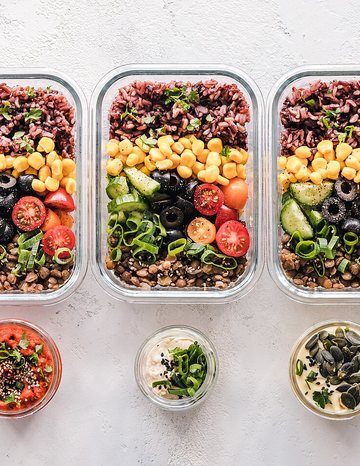
Once the chicken is done, cut it up into one bowl so you can weigh it out. Containers lined up, scale on the counter: protein into each one, then the carb, then as many vegetables as fit. Log one container in MyFitnessPal and copy it to the rest of the week.
The formula
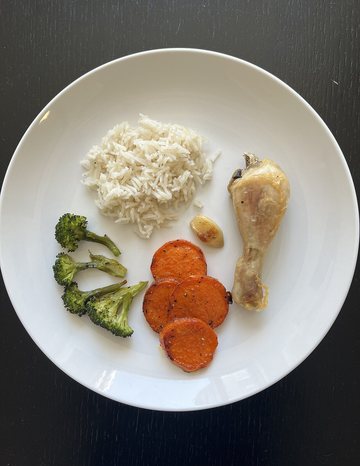
This is Jordan's formula, and every container is the same three parts. Once you see it you can't unsee it, and you'll never need a recipe again.
A protein, weighed. Chicken breast, steak, salmon, 95/5 beef, turkey, shrimp.
A carb, measured. Rice or quinoa measured dry, potato, sweet potato.
Vegetables, as many as fit. Broccoli, green beans, peppers, carrots, a bag of greens on the side.
Hot sauce, salsa, mustard, spices and vinegar are free. Everything else gets logged, barbecue sauce included.
Short on time? Cook only the meat ahead. In the video, Jordan's own carbs and vegetables come from a frozen bag of rice and vegetables, just under 400 calories, that he makes fresh each night: eight minutes on the stove and no prep at all.
The cooking rules
Do
- Bake what you canChicken at 350°F, steak at 425°F then under the broiler
- Salt and pepper everything, then spice generouslySpices carry micronutrients you might not get enough of otherwise
- Rinse the riceA couple of times, until the water isn't cloudy
- Cook the same protein two waysOne tray of chicken with salt, pepper and garlic, one with Cajun, Montreal steak spice, cayenne and curry
- Weigh it the way you log itRice and quinoa measured dry, chicken cut up and weighed cooked
- Label the lid with the day
Don't
- Cook with oil you didn't measureA tablespoon is 120 calories nobody logs. If you use any, brush it on as lightly as Jordan does the salmon
- Assume a seasoning blend is freeEverything Bagel is seeds, and seeds are fat
- Pour sauce from a jar without logging itBarbecue sauce runs about 60 calories for every two tablespoons
- Eyeball portionsWeigh and track until you can eat mindfully without it
- Prep food you don't like eatingYou'll order out by Wednesday
Store it
Three to four days in the fridge; freeze anything you won't reach before then, and move tomorrow's frozen meal to the fridge the night before. If you cook your carbs fresh each night, as Jordan does, keep the meat in its own containers so it's easy to get to. Glass containers reheat better and don't hold smells, but any container with a lid that seals beats a good intention. Cooked rice and potatoes keep well; dress salads the day you eat them.
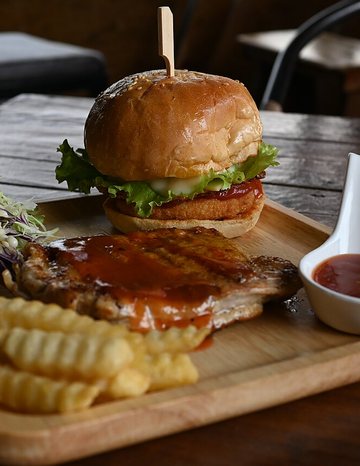
When a week goes sideways anyway, and some will, the cheat foods guide is the fallback: what to order when the containers are empty and dinner is a drive-through.




.jpg)
